Understanding how barcode marked cards are manufactured provides critical insight into their reliability, compatibility with poker analyzer systems, and overall performance in real-world scenarios. This article examines the complete production pipeline from raw card stock to finished barcode marked cards, covering printing technology, ink composition, encoding standards, quality control procedures, and verification methods that ensure seamless integration with CVK and AKK poker analyzer devices.
The Foundation: Card Stock Selection and Preparation
The manufacturing process begins with selecting appropriate card stock that matches the original deck’s weight, texture, and flexibility. Professional barcode marked cards must replicate the feel of unmarked cards perfectly to avoid detection during handling. Manufacturers source card stock with specific specifications:
– Weight range: 280–310 gsm (grams per square meter) to match standard casino-grade playing cards
– Core composition: Multi-layer laminate with a blue or black opaque core layer to prevent light transmission
– Surface coating: Air cushion finish or linen texture, depending on the original deck type (Bicycle, Modiano, Copag, or Fournier)
– Dimensions: Standard poker size (2.5 × 3.5 inches / 63.5 × 88.9 mm) or bridge size (2.25 × 3.5 inches / 57 × 88.9 mm)
The card stock must maintain identical snap, shuffle feel, and edge smoothness compared to original unmarked cards. Any deviation in thickness—even 0.05 mm—can be detected by experienced players through tactile feedback during dealing or shuffling.
Printing Technology: How Barcode Edge Codes Are Applied
Offset Printing with Invisible Ink
The primary method for applying barcode markings to card edges uses specialized offset printing presses configured for micro-precision alignment. The printing process operates at tolerances of ±0.02 mm, ensuring each barcode strip is positioned consistently along the card’s outer edge.
The printing workflow follows these stages:
1. Digital template generation: Each card’s barcode is encoded according to a predefined cipher mapping (discussed in the encoding standards section below). The template software generates vector-based barcode patterns calibrated for the specific card dimensions and edge surface area.
2. Plate creation: UV-sensitive printing plates are produced from the digital templates. These plates carry the barcode pattern in microscopic relief that will transfer the invisible ink onto the card edge during pressing.
3. Ink application: The offset cylinder applies invisible ink to the plate, which then transfers to a rubber blanket cylinder, and finally onto the card edge. This indirect transfer (offset) method ensures uniform ink distribution without direct plate-to-card contact that could damage the card surface.
4. Registration alignment: Each card is held in a precision jig that aligns the edge surface perpendicular to the blanket cylinder. Optical sensors verify position before each print stroke, rejecting cards with alignment errors exceeding 0.03 mm.
Inkjet Printing for Custom and Short-Run Orders
For smaller production runs or custom barcode patterns, specialized industrial inkjet printers provide an alternative manufacturing path. These printers use piezoelectric drop-on-demand heads that deposit invisible ink droplets at 10–20 picoliter volumes, creating barcode patterns with resolution up to 1200 dpi on the narrow card edge surface.
Inkjet printing advantages include rapid setup changeover between different barcode cipher schemes and the ability to print variable data (unique per-card identifiers) without plate costs. However, inkjet-printed barcodes generally have slightly lower durability than offset-printed ones under heavy abrasion conditions, with an estimated 15–20% faster wear rate after 200+ hours of table play.
Ink Composition: The Chemistry of Invisible Barcode Visibility
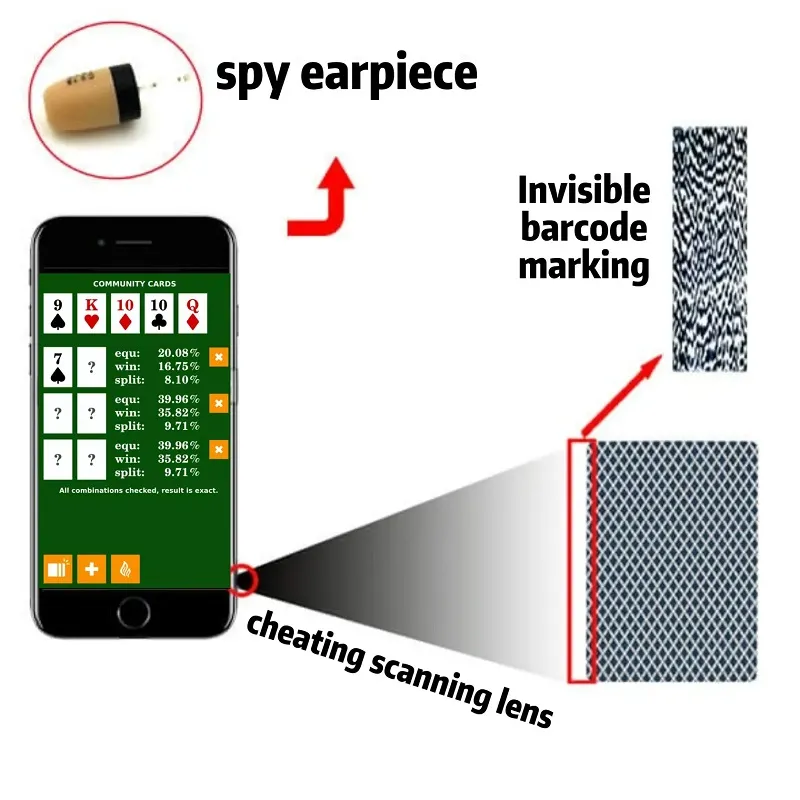
The ink used for barcode edge markings must satisfy two contradictory requirements: invisible to the human eye under normal lighting, yet highly readable by the infrared scanning cameras integrated into poker analyzer devices.
Core Ink Components
Professional-grade invisible barcode ink typically contains the following components:
– Absorbing pigment: Rare-earth compound particles (typically erbium-doped yttrium oxide or custom ferrite formulations) that strongly absorb infrared light in the 850–940 nm wavelength range. These pigments appear transparent or slightly milky under visible light (400–700 nm) but create sharp contrast under IR illumination.
– Binding resin: Modified acrylic or polyurethane resin that adheres the pigment to the card stock edge surface. The resin must penetrate the card’s surface coating to create mechanical bonding rather than merely sitting atop the surface, which would produce barcodes vulnerable to abrasion and flaking.
– Solvent carrier: A fast-evaporating solvent blend (typically isopropanol-based with proprietary additives) that enables the ink to flow properly through printing mechanisms and dry within 8–12 seconds on the card surface. Rapid drying prevents ink transfer onto adjacent cards during the stacking phase of production.
– UV stabilizer: Benzotriazole-class UV absorbers that prevent the invisible pigment from degrading under prolonged UV exposure. Without stabilizers, the barcode contrast under IR scanning can degrade by 30–40% after 100+ hours of play under casino-style fluorescent or LED lighting.
IR Absorption Spectrum Specifications
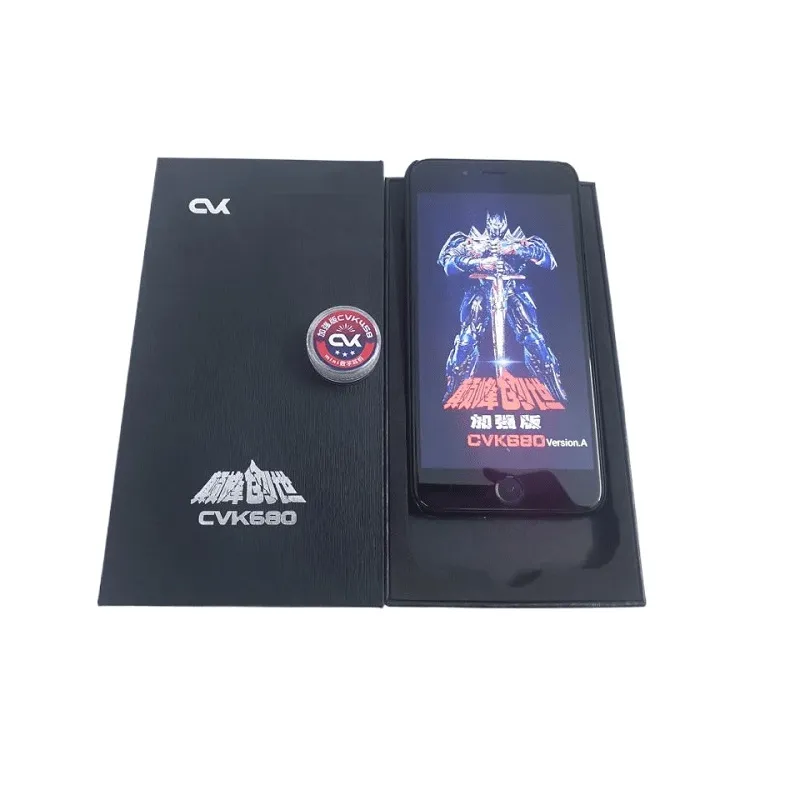
The ink’s absorption characteristics must align precisely with the scanning camera’s illumination wavelength. CVK poker analyzer devices typically use 850 nm IR LED illumination, while AKK series devices employ 940 nm emitters. Premium barcode marked cards use dual-band ink that absorbs strongly across both wavelengths, ensuring cross-brand compatibility.
Key spectral performance metrics for quality invisible ink:
– Peak absorption wavelength: 850–940 nm (dual-band) or 850 nm single-band for CVK-optimized cards
– Visible light transmission: >92% across 400–700 nm (essentially transparent to human vision)
– IR reflectance differential: ≥65% contrast ratio between marked and unmarked areas under scanner illumination
– Ink layer thickness: 8–15 micrometers after drying, sufficient for IR contrast but imperceptible by tactile feel buy poker analyzer online.
Barcode Encoding Standards: Cipher Mapping and Data Structure
Encoding Architecture
The barcode on each card edge encodes the card’s identity (suit and rank) using a proprietary cipher that maps standard playing card values to machine-readable patterns. The encoding structure follows these principles:
– Data payload: Each barcode encodes a minimum of 4 bits (16 possible values) to represent all 13 ranks, with an additional 2 bits for suit identification, totaling 6 bits minimum per card. Most modern systems use 8-bit encoding with parity bits for error detection.
– Barcode symbology: Modified Code 128 or custom linear barcode formats are commonly used. Code 128 offers high data density (up to 11 characters per inch), which is essential given the limited edge surface area (approximately 2.5–3.5 mm of printable width on a standard poker card edge).
– Cipher secrecy: The mapping between card identity and barcode value uses a manufacturer-specific cipher key. Different analyzer brands may use different cipher schemes, which is why marked cards must be matched to the specific poker analyzer system firmware version.
Brand-Specific Cipher Compatibility
CVK poker analyzer systems and AKK poker analyzer systems use different default cipher schemes for barcode interpretation:
– CVK series (including CVK 500, CVK 600, CVK 350): Uses a rolling cipher scheme where the barcode-to-card mapping rotates periodically. CVK firmware versions 3.2 and above support automatic cipher detection when paired with CVK-optimized marked cards.
– AKK series (including AKK A1, AKK K4, AKK K5): Employs a fixed cipher scheme with manufacturer-specific encoding tables. AKK marked cards use a consistent mapping that remains stable across firmware updates, simplifying inventory management but requiring brand-specific card procurement.
– Cross-compatibility cards: Premium manufacturers offer dual-encoding cards that embed two separate barcode tracks on the card edge—one in CVK cipher and one in AKK cipher. These cards have slightly wider barcode zones (approximately 4 mm total edge coverage vs. 2.5 mm for single-encode) and cost 20–30% more to produce due to the dual-pass printing requirement.
Quality Control: Ensuring Readability and Durability
Readability Testing Protocol
Every production batch undergoes a multi-stage readability verification process before packaging:
1. Static scan test: Each card is individually scanned by a calibrated reference scanner operating at standard analyzer camera specifications (850 nm and 940 nm illumination, 30 fps scan rate). The scanner must decode the barcode within 0.3 seconds with zero errors. Any card failing this test is rejected and reprinted.
2. Dynamic scan test: A sample of 52 cards (full deck) is shuffled and dealt at simulation speeds matching real table conditions (2–3 cards per second). The reference analyzer must decode every card with 100% accuracy across 10 consecutive shuffle-deal cycles. This test validates that the barcode remains readable when cards are in motion and at various orientations.
3. Distance range test: Barcodes are scanned at distances from 15 cm to 80 cm to verify the analyzer’s effective reading range with the specific ink contrast level. Premium cards maintain >95% readability at 60 cm distance; standard cards maintain >90% readability at 40 cm.
4. Angle tolerance test: Cards are scanned at tilt angles from 0° to 30° off-perpendicular to the scanner axis. Quality cards maintain >95% readability within a 20° tilt range, accommodating the natural angular variation when cards lie on a curved table surface.
Durability Testing Under Various Conditions
Barcode marked cards must survive the physical stresses of actual table play without readability degradation:
– Abrasion resistance: Cards undergo 500 cycles in a mechanical shuffle tester simulating riffle and strip shuffle motions. Post-test readability must remain above 95%. Offset-printed cards typically show 98% readability retention; inkjet-printed cards show 90–93%.
– Humidity exposure: Cards are conditioned at 85% relative humidity for 48 hours, then tested for barcode readability and card dimensional stability (warping must not exceed 1 mm across the card face). The ink binding resin must resist moisture-induced delamination.
– Temperature cycling: Cards are subjected to 20 cycles between -10°C and 50°C with 4-hour hold at each extreme. Post-cycle readability must remain above 97%, and the card stock must show no visible cracking or edge separation.
– UV exposure endurance: Cards are exposed to UV-A radiation (365 nm) at 1.5 mW/cm² for 200 cumulative hours, simulating approximately 6 months of casino lighting exposure. Readability degradation must not exceed 10% from the initial measurement.
Compatibility Verification Across Analyzer Brands and Models
Before deploying marked cards with a specific poker analyzer system, compatibility must be verified at three levels:
Cipher Compatibility
Confirm that the marked card’s encoding scheme matches the analyzer’s firmware cipher version. CVK analyzers display their cipher version in the settings menu (typically labeled as “Code Version” or “CV”). AKK analyzers reference a compatibility chart in their user documentation. Using mismatched cards produces garbled results or complete decode failure.
Scan Frequency Alignment
Verify that the marked card ink’s IR absorption spectrum overlaps with the analyzer’s scanning camera illumination frequency. Dual-band cards (850/940 nm) work with all major analyzer brands. Single-band cards optimized for 850 nm may show reduced readability with AKK 940 nm scanners—typically a 15–25% contrast reduction that can cause intermittent decode failures in challenging lighting.
Physical Edge Format
Ensure the barcode strip width and position on the card edge match the analyzer’s scan window geometry. Most analyzers are calibrated for barcodes printed on the outer long edge (88.9 mm edge on poker-size cards) within a 2.5–3.5 mm width zone from the edge tip. Cards with barcodes printed on the short edge or at non-standard positions require analyzer camera recalibration.
How to Verify Barcode Quality Before Use
Practitioners should perform the following verification steps before committing marked cards to a live session:
Pre-Session Verification Checklist
1. Visual inspection under multiple lighting conditions: Examine card edges under fluorescent, LED, and natural daylight at various angles. No visible marking, discoloration, or texture difference should be detectable. If any edge pattern is visible even faintly, the cards fail quality verification and should not be used.
2. Scanner pairing test: Set up the poker analyzer and scanning camera in the intended operational configuration. Scan the full deck once through each card individually, then simulate a 5-card deal sequence at normal speed. Verify that every card is decoded correctly with no missed reads or incorrect results.
3. Range calibration: Test readability at the actual working distance where the scanner will be positioned during the session (typically 30–60 cm from the card area). Adjust scanner position or angle if any cards fail to decode at the operational distance.
4. Hand-feel verification: Shuffle and deal the marked deck alongside an unmarked reference deck. No difference in card feel, snap, or shuffle sound should be perceptible. Tactile differences can alert observant opponents.
5. Durability spot check: Select 5 random cards and rub their edges firmly with a cotton cloth 50 times. Rescan these cards to confirm readability remains intact. This quick test reveals whether the ink has adequate surface bonding for the anticipated session duration.
Ongoing Monitoring During Use
During extended play sessions, periodically verify that the analyzer continues decoding cards at its initial accuracy rate. If decode accuracy begins declining (missed reads increasing from 0% to >2%), the barcode ink may be experiencing wear. Switch to a backup deck or conclude the session to avoid reliability failures at critical moments.
Conclusion
The manufacturing of barcode marked cards involves sophisticated printing technology, specialized invisible ink chemistry, precise encoding standards, and rigorous quality control—all coordinated to produce cards that are completely invisible to human perception yet instantly readable by poker analyzer scanning cameras. Understanding this process enables practitioners to select cards with appropriate ink specifications, cipher compatibility, and durability ratings for their specific analyzer system and operational environment. Pre-session verification remains essential regardless of manufacturing quality claims, as even premium cards can develop issues from shipping damage, storage conditions, or cipher mismatch with updated analyzer firmware.
FAQ
Q: Can the same marked cards work with both CVK and AKK poker analyzer systems?
A: Only dual-encoding marked cards that contain separate barcode tracks for each brand’s cipher scheme can work with both systems. Single-encode cards are specific to one brand’s cipher version and will produce incorrect results or decode failures with the other brand. Always verify cipher compatibility before mixing cards across analyzer brands.
Q: How long do barcode markings last under normal playing conditions?
A: Professionally manufactured offset-printed barcode markings typically maintain >95% readability for 200–300 hours of active table play, equivalent to approximately 50–80 full sessions. Inkjet-printed markings have a shorter lifespan of 120–180 hours. Humidity, UV exposure, and shuffle abrasion rates all affect actual durability. Monitoring decode accuracy during sessions and replacing cards when error rates exceed 2% is the most reliable approach.
Q: Is it possible to detect barcode marked cards by touch?
A: Quality barcode marked cards use ink layers of only 8–15 micrometers—well below the threshold of human tactile perception (approximately 50 micrometers for edge surface detection). Cards manufactured with proper offset printing on matched card stock should feel identical to unmarked cards during shuffling and dealing. If any edge texture difference is noticeable, the cards do not meet professional quality standards.
Q: What happens if barcode marked cards are exposed to direct sunlight for extended periods?
A: Prolonged UV exposure degrades the invisible ink’s IR absorption properties. Without UV stabilizers in the ink formulation, readability can decline by 30–40% after 100+ hours of direct sunlight. Quality cards with benzotriazole UV stabilizers show less than 10% degradation over equivalent exposure. Storing marked cards in opaque containers between sessions preserves ink performance indefinitely.
Q: Can a regular smartphone camera detect barcode edge markings?
A: Standard smartphone cameras operate in the visible light spectrum (400–700 nm) and cannot detect infrared-absorbing invisible ink without specialized IR filter modification. Even with modified cameras, the barcode would require IR illumination at the matching absorption wavelength (850–940 nm) to become visible. Under normal smartphone camera conditions and lighting, barcode marked cards appear completely unmarked.